
Segmentation Strategies: How To Fine Tune Your Database

By Ella Paine

Content Specialist

February 2025

This month’s blog takes a closer look at customer databases (you can revisit our first article here). Let’s explore how effectively segmenting your database can help achieve your marketing goals and grow your business.


What is Segmentation?

It might not sound like the spiciest of topics, but segmentation is a valuable piece in any marketing puzzle. Once you’ve established a current and active customer database, it’s time to build a relationship with your target audiences. That’s where segmentation steps in.

Segmentation is a technique that allows you to group customers based on their buying, browsing, and engagement behaviours. By collecting data about what they like, search for, and respond to, you can more accurately communicate with them.

This concept doesn’t just apply to customer-facing marketing—if it’s B2B you’re focused on, segmentation can be used to sort users by role, location, industry, and other identifying factors.

By categorising your database strategically, you can improve marketing performance across a wide range of metrics. Let’s discuss the basics, more advanced methods, and how CoBright can utilise this strategy in your marketing efforts.
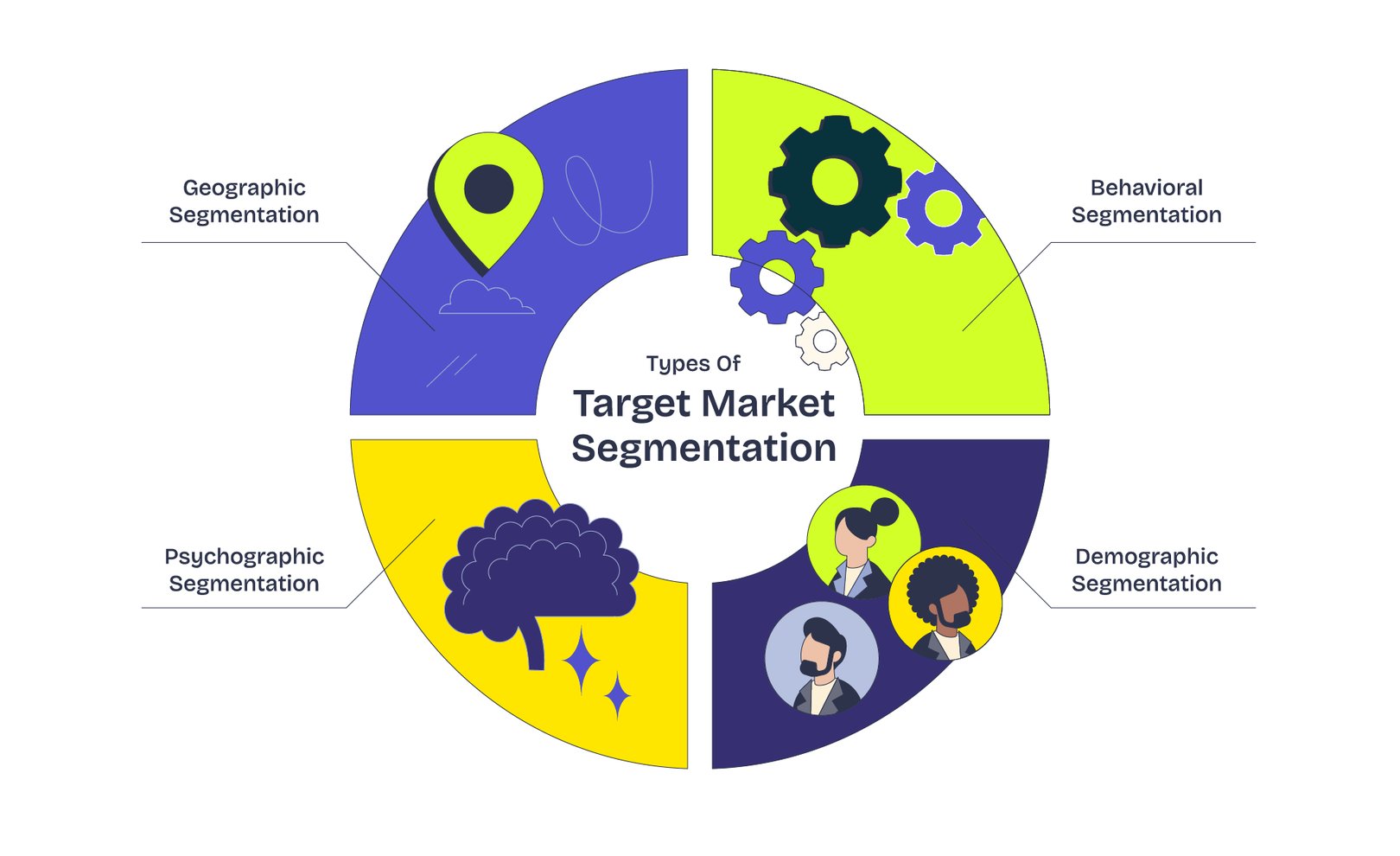

The Basics: Segmenting Your Audience

Database segmentation enables your business to craft specific messaging or sales campaigns for different customers or users. The more appealing a message is to a particular group or individual, the more likely they are to engage with your business or brand.

At its core, database segmentation starts with organising your contacts, sources, and user groups. Begin the process by using fundamental factors like location, industry, product type, or occupation. For example, a sales team may require a different pitch than an operations team—organise your database accordingly.

By starting with these basic segmentations, CoBright has developed personalised EMS, social media content, and ad campaigns, ensuring client campaigns align with specific user needs and interests.

Level Up: Understanding User Behaviour

Once you have the initial categories set up, you will start to notice more trends and characteristics. The more data you can capture, the better you can cater to different interests and demands. 

Here are a few ways you can continue to expand your knowledge:

  • Capture the Source: Nurturing any relationship requires attention to detail. Identify with the source—how did the user or customer discover your brand and business? Segmenting by their initial point of contact can help you determine how to communicate with them in future. A direct enquiry through your website may expect a different response to a random giveaway entry.

  • Recognise Behavioural Patterns: Many large companies (Amazon, Netflix, Deliveroo) actively segment their users based on past activity (e.g. purchases, searches, web page hits, social engagement). You can assign different groups with relevant marketing tactics: follow-up emails, loyalty rewards, or abandoned cart reminders are just a few examples.

  • Integrate Smart Systems: There are a myriad of software programs that exist to help you keep track of customers as their interests change over time. The key thing to focus on is ensuring your systems are fully integrated with each other. This enables better access to user data and clarifies your decision-making.

Understanding the significance of user or customer behaviour with a business is a continuous opportunity to learn, and CoBright embraces this learning curve with every project we take on.

Final Stage: Crafting Personalised Campaigns

Once you have established clear segments in your database, you can take things one step further. Leverage each segment to help create your marketing campaigns. 

To effectively reach different customer groups, CoBright has used all of the following approaches for our clients:

  • Hyper-Targeted Messaging: Advertising platforms like Meta and Google Ads offer segmentation to pitch highly relevant ads based on user traits like age, location, buying habits, and online activity. Combining these platforms with an internally segmented database allows us to maximise the targeting of every campaign.
  • Automated Email Flows: Segmentation enables businesses to create automated sequences, ensuring users receive relevant information over time. For example, if a user repeatedly purchases ‘Horse’ products, they can be added to a mailing list that specifically shares updates on a business’s range of horse products and deals.
  • Dynamic Content: Many systems can customise content based on the recipient’s profile in your database. A popular example of this is Spotify, which generates a personalised ‘Wrapped’ summary each year after analysis of the user’s listening activity.
  • Upselling and Cross-Selling: This can broaden a customer’s knowledge and exposure to more of your products. If a customer has previously bought a product, they could be automatically included in a segment for similar selling opportunities. Online shopping platforms regularly include ‘You may also like’ features to optimise their selling opportunity.

The more you know about their needs, the better you’re able to service your customers and grow your user base.

The Bottom Line

Segmentation is the gateway to effective targeting, which defines the quality of your customer relationships. Starting out with simple categories, and continuing to refine your segments, will reap rewards as you learn more about what different customers want. 

Thoughtful segmentation leads to better engagement, improved customer relationships, and higher conversion rates. As time progresses, you will gain a niche and intuitive understanding of how to interpret your customer data. 

There are examples in thousands of existing businesses, where segmentation has influenced the engagement, return, and overall impact of marketing efforts. With the right strategy and tools, your business can see real and positive results too.

Sounds daunting? You don’t have to do it alone – CoBright has a wealth of experience to support your business in leveraging its customer database. We work daily with the systems designed to help improve segmentation and are always looking for ways to improve customer experience for each individual client we partner with.

Start segmenting smarter in 2025 and watch your marketing results transform!

Looking for a partner to help conquer marketing this year? Get in touch to find out how our team can support your goals.

Managed MarketingContact Us