
As generative AI makes it easier than ever to churn out blogs, updates, checklists, and the like, rural channels are increasingly filled with perfectly punctuated, grammatically flawless, and utterly soulless posts.
In an industry built on handshakes and hard-earned expertise, generic content isn't just ineffective. Inauthentic, dime-a-dozen messages and campaigns are a liability to any campaign targeting agricultural audiences.
To succeed in 2026, brands need to put down the prompt and return to the roots of agribusiness.
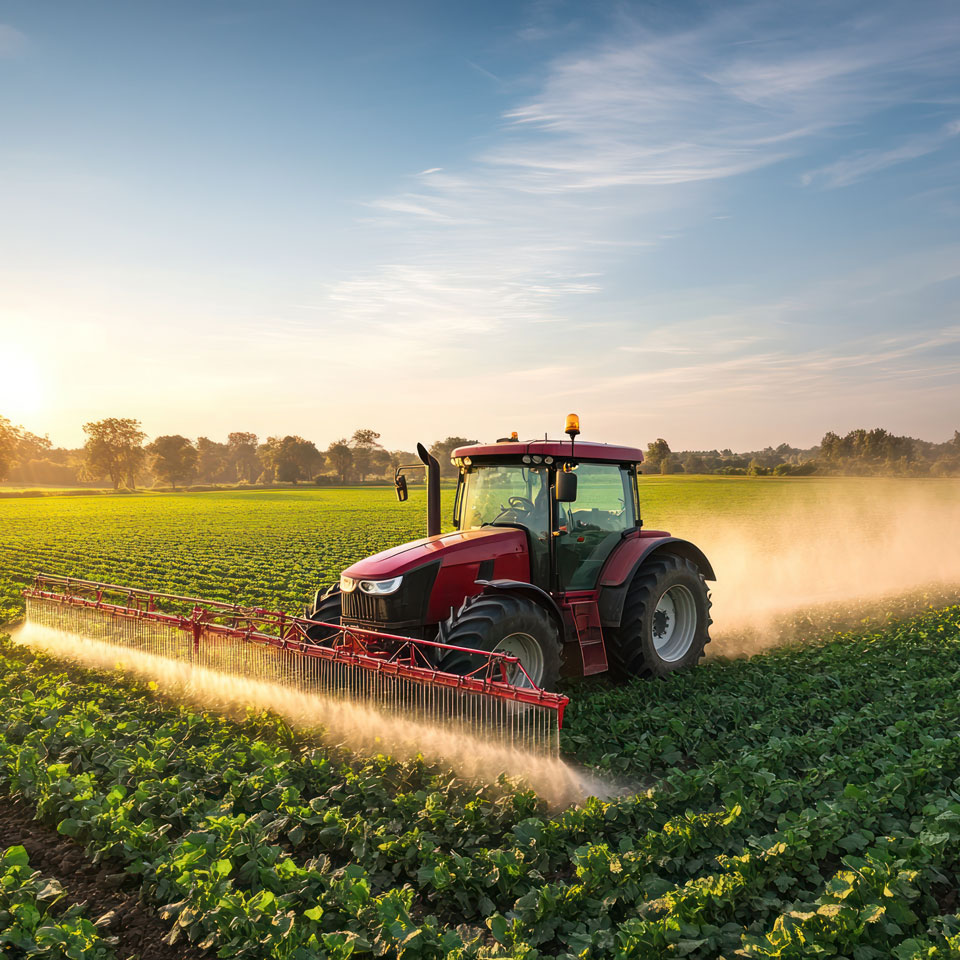
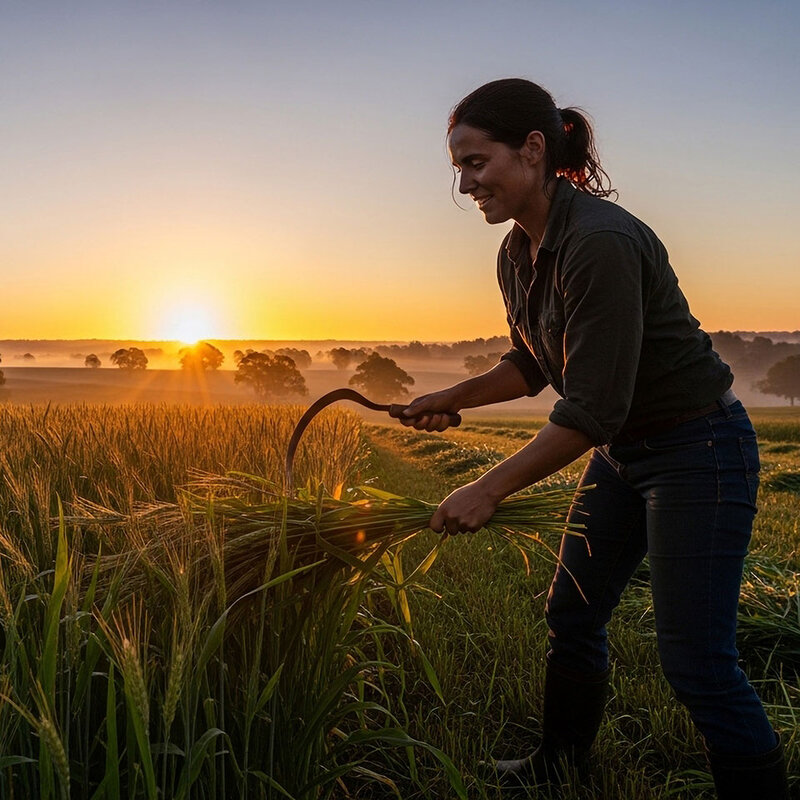
P.S. Bonus points if you can spot what’s wrong with the pictures in this blog…
AI Isn’t A Golden Ticket
From broadacre farmers to heavy equipment dealers, agricultural operators have a fine-tuned ‘nonsense detector’ (to paraphrase). If they’re in the middle of a busy, 35-degree day with a few short hours left to finish/fix/find whatever it is they’re doing, tolerance for AI-generated platitudes is low to none.
Generic language and vague messaging that ducks and weaves around any substantial, useful information is not the way to rural hearts or wallets. Connecting with these highly practical and time-poor customers demands authenticity, nuance, and recognition of their day-to-day reality.
Experienced farmers and producers aren’t sold on the shallow information provided by algorithms trawling the internet. To cut through the clamour of AI-generated content, ag marketers need to draw on intentional vocabulary, visible proof, and shared context. This is where CoBright shines – and more importantly, so will your brand.